
When a hurricane approaches, one of the biggest concerns for homeowners is losing access to electricity. Strong winds, flooding, fallen trees, and damaged utility infrastructure can cause power outages that last for hours or even several days. Without reliable electricity, essential household devices such as refrigerators, medical equipment, communication devices, lights, and internet equipment may become unavailable. Preparing a dependable battery backup for hurricane outages can help homeowners maintain access to critical power when the electrical grid goes down.
Unlike traditional fuel-powered generators, battery backup systems provide electricity without producing exhaust fumes. They can often be used indoors, operate quietly, and require less routine maintenance. With the right system and preparation, homeowners can create a practical emergency power plan that keeps the most important devices running during a hurricane-related outage.
Understanding Hurricane Power Outages
Hurricanes can disrupt electricity in several ways. High winds may knock down power lines, while heavy rain and flooding can damage electrical infrastructure. In some cases, utility companies may intentionally shut off electricity in vulnerable areas to reduce safety risks or prevent additional damage.
The duration of an outage can vary significantly. Some homes may regain power within a few hours, while others may remain without electricity for multiple days. This uncertainty makes it important to plan for more than a short interruption.
Before selecting a battery system, think about which devices your household needs most. A refrigerator may be essential for protecting food, while phones and radios are necessary for communication. If someone in the household relies on electrically powered medical equipment, that device may require the highest priority. Lighting, Wi-Fi routers, laptops, fans, and small appliances may also be useful during an extended outage.
Creating a list of essential devices is the first step toward determining how much backup power your home needs.
Choosing the Right Battery Backup Capacity
Battery capacity is typically measured in watt-hours (Wh) or kilowatt-hours (kWh). A higher capacity means the battery can store more energy and potentially operate devices for a longer period.
For example, a portable battery station with a capacity of 1,000Wh may be suitable for charging phones, powering lights, running a router, and operating small electronics. However, a larger system may be necessary if you want to operate a refrigerator, CPAP machine, or other high-demand equipment for an extended period.
To estimate your requirements, determine the wattage of each device and estimate how many hours you expect to use it. You can then calculate approximate energy consumption by multiplying watts by hours of operation.
For example, a 100-watt appliance running for five hours would require approximately 500 watt-hours of energy. Keep in mind that real-world performance may be lower than the battery’s advertised capacity because of inverter losses and other efficiency factors.
A good battery backup for hurricane outages should provide enough capacity for your essential devices while maintaining a reasonable reserve. Avoid planning to use the battery until it reaches zero percent. Keeping some energy in reserve can be valuable if the outage lasts longer than expected.
Prioritize Essential Household Devices
During a hurricane outage, it may not be practical to power every appliance in your home. Instead, focus on devices that provide safety, communication, food preservation, and basic comfort.
A refrigerator is often a priority because it helps prevent food from spoiling. However, refrigerators typically cycle on and off rather than operating continuously, so their actual energy consumption may be lower than their starting wattage suggests.
Communication equipment is another important consideration. Keep smartphones, tablets, emergency radios, and other communication devices charged so you can receive weather alerts and emergency information. A battery-powered router or modem may also help maintain internet access if your internet provider continues operating during the outage.
Lighting is essential after dark. LED lamps and rechargeable lanterns generally consume much less electricity than traditional incandescent bulbs. Using energy-efficient lighting allows your backup battery to last longer.
If you use medical equipment that requires electricity, calculate its energy needs carefully and discuss emergency power requirements with your healthcare provider or equipment supplier. A larger backup system or an additional emergency power solution may be necessary.
Consider Battery Type and Recharge Options
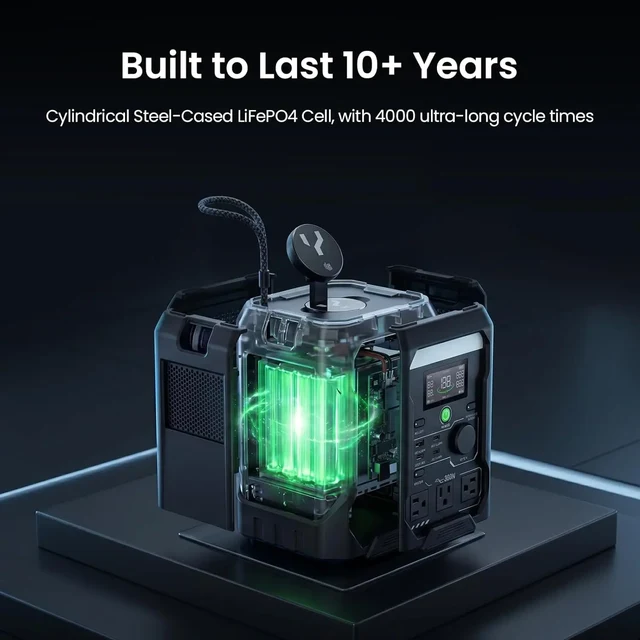
Modern backup power systems use different battery technologies, with lithium-ion and lithium iron phosphate (LiFePO4) batteries being common choices. Each technology has different characteristics related to lifespan, weight, safety, and performance.
When preparing for hurricanes, consider how frequently you expect to use the battery and how long you want it to remain useful. A system designed for occasional emergencies may have different requirements from one intended for frequent use.
Rechargeability is also important. Once the stored energy is depleted, you need a way to recharge the system. Many portable power stations can be charged through a standard wall outlet before a storm arrives. Some models also support solar panels or vehicle charging.
Solar charging can be particularly useful during extended outages, provided weather conditions allow sufficient sunlight. However, homeowners should not assume that solar panels will always provide enough energy during or immediately after a hurricane. Heavy clouds, rain, debris, and limited sunlight can reduce charging performance.
Prepare Before the Hurricane Arrives
The best time to prepare your backup power system is before the storm becomes an immediate threat. Waiting until the last minute can make it difficult to find equipment, charge batteries, or test your setup.
Fully charge your battery system before severe weather arrives. Check all cables, adapters, and charging equipment to ensure they are functioning properly. If your system supports solar charging, inspect the panels and confirm that you have the necessary cables and connectors.
It is also useful to test your battery with the devices you intend to power. This helps you understand actual runtime and identify compatibility issues before an emergency occurs.
Store the battery system in a safe, dry location where it is protected from flooding and excessive heat. Follow the manufacturer’s instructions for storage and operation. Keep charging cables together so you can access them quickly when needed.
Use Energy Efficiently During an Outage
Even a large battery can eventually run out of energy, so careful management is essential. Turn off devices when they are not needed and avoid leaving electronics plugged in unnecessarily.
Use power-saving modes on laptops and smartphones. Lower screen brightness and close applications that consume unnecessary energy. If you are powering a refrigerator, avoid opening the door frequently because this can increase energy consumption.
Plan a schedule for high-demand devices. Instead of running everything at the same time, operate appliances only when necessary. For example, you might charge multiple devices during a designated period and then disconnect them once they are fully charged.
An energy-efficient approach can significantly extend the usefulness of your battery backup for hurricane outages, especially when utility restoration times are uncertain.
Battery Backup vs. Traditional Generators
Traditional generators can provide substantial power and may run high-demand appliances for extended periods, but they require fuel and must be operated outdoors in a properly ventilated area. Carbon monoxide exposure is a serious hazard when fuel-powered generators are used incorrectly.
Battery backup systems offer a different approach. They produce no exhaust during operation and are generally much quieter. They can be convenient for powering electronics and essential appliances without storing gasoline or diesel.
However, battery systems also have limitations. Their stored energy is finite, and large-capacity systems can be expensive. Recharging may be challenging during prolonged cloudy weather or when the grid remains unavailable.
For some households, combining multiple emergency power options may provide the best overall resilience. A battery system can handle everyday essential electronics and smaller appliances, while another appropriately managed backup solution can address higher energy demands.
Create a Complete Hurricane Power Plan
A reliable emergency power strategy involves more than purchasing a battery. Make a list of essential devices, calculate approximate energy requirements, and select a system with sufficient capacity and output.
Keep phones charged when severe weather is approaching, and maintain backup charging options whenever possible. Have flashlights, rechargeable lights, batteries, and emergency communication equipment available. If your household has special medical or accessibility needs, include those requirements in your planning.
It is also wise to monitor official weather and emergency alerts throughout the storm. Power restoration schedules can change depending on damage and safety conditions, so remain prepared for the possibility of a longer outage.
Final Thoughts
A hurricane can cause unpredictable and prolonged power disruptions, but thoughtful preparation can make the experience safer and more manageable. Choosing the right battery backup for hurricane outages allows homeowners to keep essential devices operating while reducing dependence on the electrical grid.
The ideal system depends on your household’s specific energy needs, the expected duration of outages, and the devices you consider essential. By calculating power requirements, prioritizing critical equipment, charging batteries in advance, and using electricity efficiently, you can build a practical emergency power strategy. A well-prepared backup system can provide valuable peace of mind and help your household stay connected, informed, and comfortable until normal electricity service returns.