
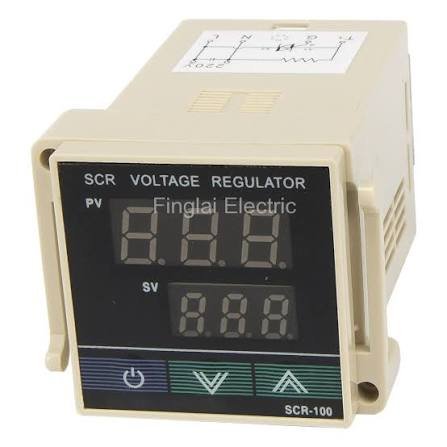
An SCR voltage regulator is an important electronic device used to control and maintain electrical voltage in various industrial, commercial, and electronic applications. Voltage regulation plays a major role in ensuring that electrical equipment operates safely and efficiently. Unstable voltage can damage sensitive devices, reduce equipment performance, and increase maintenance costs. An SCR Voltage Regulator helps address these challenges by controlling the power supplied to an electrical load.
SCR stands for Silicon Controlled Rectifier, a semiconductor device commonly used in power control circuits. It allows electrical current to flow when triggered by an appropriate gate signal. Because of its fast switching capabilities and reliable operation, SCR technology is widely used in industrial power systems, heating equipment, battery chargers, and voltage control applications.
What Is an SCR Voltage Regulator?
An SCR voltage regulator is an electronic power control system that uses Silicon Controlled Rectifiers to regulate the voltage delivered to an electrical load. It controls the amount of power passing through a circuit by adjusting the firing angle of the SCR devices.
Unlike traditional mechanical voltage control systems, SCR-based regulators use semiconductor technology to provide accurate and responsive power regulation. They can adjust electrical output according to changing load conditions and system requirements.
These regulators are available in different configurations depending on their intended application. Some are designed for single-phase systems, while others support three-phase industrial power supplies. Their flexibility makes them suitable for a wide range of electrical installations.
How Does an SCR Voltage Regulator Work?
The operation of an SCR voltage regulator depends on controlling the switching behavior of semiconductor devices. An SCR contains three main terminals: anode, cathode, and gate. The gate terminal receives a triggering signal that allows the device to conduct current.
In a typical AC voltage regulation system, SCRs control the power delivered to a load by changing their firing angle during each electrical cycle.
The working process generally includes several stages:
1. Voltage Detection
The regulator continuously monitors the electrical supply or output voltage. A sensing circuit measures voltage levels and provides feedback to the control system.
2. Signal Processing
The control circuit compares the measured voltage with the desired reference value. If there is a difference, the regulator calculates the necessary adjustment.
3. SCR Triggering
The control circuit sends triggering pulses to the SCR gate terminals. By adjusting the timing of these pulses, the system controls how much electrical power reaches the connected load.
4. Output Regulation
The regulator adjusts the power delivered to maintain the required operating conditions. This process continues automatically as electrical loads and supply conditions change.
Important Features of SCR Voltage Regulators
SCR voltage regulators offer several features that make them useful in modern electrical systems. Their electronic design provides reliable control and flexibility for different power requirements.
Fast Electronic Response
One major feature is fast switching. SCR devices can respond quickly to control signals, allowing the regulator to adjust power delivery without depending on slow mechanical components.
Accurate Power Control
SCR technology provides precise control over electrical power. This feature is particularly valuable in applications where maintaining consistent operating conditions is important.
High Power Handling Capacity
SCRs are available in different voltage and current ratings. This allows manufacturers to design regulators for demanding industrial applications that require substantial power control.
Low Mechanical Maintenance
Because SCR regulators use semiconductor components instead of moving mechanical contacts for power adjustment, they generally require less mechanical maintenance than traditional contact-based systems.
Flexible Operating Configurations
SCR voltage regulators can be designed for different electrical systems, including single-phase and three-phase applications. Their configuration can be selected according to load characteristics and installation requirements.
Common Applications of SCR Voltage Regulators
SCR voltage regulators are used across multiple industries because they provide controlled electrical power for different types of equipment.
1. Industrial Heating Systems
Industrial heating applications often require accurate temperature control. SCR voltage regulators adjust the electrical power supplied to heating elements, helping maintain consistent temperatures.
They are commonly used in furnaces, ovens, industrial dryers, and resistance heating equipment.
2. Battery Charging Equipment
Battery charging systems require controlled electrical power to support appropriate charging conditions. SCR-based control circuits can regulate the power supplied to charging equipment, depending on the charger design.
This makes them useful in certain industrial battery chargers and power supply systems.
3. Manufacturing Equipment
Manufacturing facilities use different machines that require controlled electrical power. SCR regulators can support applications involving heating elements, specialized production equipment, and industrial power control systems.
4. Welding Equipment
Some welding power supplies use SCR technology to control electrical output. Regulating current and power helps support different welding requirements and operating conditions.
5. Lighting Control Systems
SCR-based electronic circuits can also be used in certain lighting control applications. They adjust the power delivered to compatible lighting loads, allowing users to control brightness levels.
However, compatibility with the lighting technology and circuit design is essential.
Benefits of Using an SCR Voltage Regulator
Choosing an SCR voltage regulator can provide several advantages for electrical installations and industrial operations.
Improved Power Management: SCR regulators allow electrical power to be adjusted according to application requirements. This helps equipment operate within its intended electrical limits.
Reliable Electronic Operation: Semiconductor-based control systems can provide dependable operation when properly selected, installed, and maintained.
Reduced Mechanical Wear: The absence of mechanical switching contacts in the main power-control process reduces certain types of mechanical wear.
Better Process Control: Industries that depend on controlled heating or electrical output can benefit from the accurate adjustment capabilities of SCR technology.
Suitable for Industrial Environments: Depending on their ratings and enclosure design, SCR voltage regulators can support demanding industrial operating conditions.
Flexible System Integration: Different SCR configurations allow engineers to select solutions for specific electrical loads and control requirements.
SCR Voltage Regulator vs. Traditional Voltage Regulators
Traditional voltage regulators may use transformers, mechanical contacts, or other control technologies to adjust electrical output. SCR voltage regulators use semiconductor switching to control power electronically.
One important difference is their response and control method. SCR systems can adjust power through electronic triggering, while mechanical systems may depend on physical movement or switching arrangements.
SCR regulators are particularly useful where controlled power delivery, fast electronic adjustment, and reduced mechanical wear are important. However, they are not automatically the best solution for every application.
For example, phase-angle SCR control can introduce electrical harmonics and a lower power factor under certain operating conditions. Engineers should consider these characteristics when selecting a regulator for sensitive equipment or complex electrical installations.
Factors to Consider When Choosing an SCR Voltage Regulator
Selecting the right SCR voltage regulator requires careful evaluation of the electrical system and its operating requirements.
Input Voltage and Phase
Check the available supply voltage and determine whether the application requires a single-phase or three-phase regulator. Selecting the correct configuration helps ensure compatibility.
Current and Power Ratings
The regulator must support the load’s maximum operating current and power requirements. Additional capacity may be necessary when the application involves demanding operating conditions or high starting currents.
Load Type
Different loads behave differently. Resistive heating elements, inductive equipment, transformers, and motors may require different control approaches. Always confirm that the regulator is suitable for the intended load.
Cooling Requirements
SCR devices generate heat during operation. Proper ventilation, heatsinks, or forced-air cooling may be required to maintain safe operating temperatures.
Protection Features
Look for appropriate protection against overcurrent, overvoltage, overheating, and short circuits. The required protection depends on the system design and operating environment.
Installation and Technical Support
Choose equipment from a reliable manufacturer that provides technical documentation, installation guidance, and suitable after-sales support.
Maintenance Tips for Long-Term Performance
Although SCR voltage regulators generally have fewer mechanical components, regular inspection remains important.
- Keep cooling fans and ventilation openings clean.
- Inspect electrical connections for looseness or signs of overheating.
- Check heatsinks and cooling systems regularly.
- Monitor operating temperatures under normal load conditions.
- Inspect semiconductor components and control circuits when performance changes.
- Follow the manufacturer’s recommended maintenance schedule.
Electrical inspections should always be performed by qualified technicians using appropriate safety procedures.
Conclusion
An SCR voltage regulator is a valuable electronic solution for controlling electrical power in industrial, commercial, and specialized applications. By using Silicon Controlled Rectifier technology, it provides adjustable power delivery, reliable electronic switching, and flexible control options.
From industrial heating systems and manufacturing equipment to battery chargers and welding applications, SCR voltage regulators support processes that require controlled electrical output. However, choosing the correct unit involves understanding voltage ratings, current requirements, load characteristics, cooling needs, and protection features.
With proper selection, professional installation, and regular maintenance, an SCR voltage regulator can contribute to efficient power management, consistent equipment performance, and dependable operation across various electrical systems.