
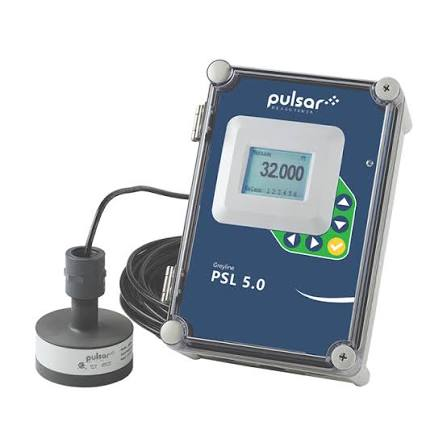
Wastewater management systems play an essential role in maintaining public health, protecting the environment, and supporting modern infrastructure. Among the most important components of these systems are lift stations, which help move wastewater from lower elevations to higher locations when gravity-based transportation is not possible. To ensure that these stations operate efficiently, accurate water level monitoring is necessary. A Lift Station Level Measurement Device provides reliable information about wastewater levels, helping operators control pumps, prevent overflows, and maintain consistent system performance.
As wastewater infrastructure continues to develop, modern level measurement technology has become increasingly important. From residential wastewater systems to large municipal treatment facilities, these devices help improve operational efficiency while reducing maintenance requirements and equipment risks. Understanding how they work, their benefits, and the factors involved in selecting the right equipment can help facility managers make better decisions.
What Is a Lift Station Level Measurement Device?
A lift station level measurement device is an instrument designed to monitor the liquid level inside a wastewater collection tank or wet well. It continuously measures how much wastewater is present and provides information that can be used to control pumping operations.
When wastewater enters a lift station, the liquid level gradually increases. Once it reaches a predetermined point, the control system activates a pump to move the wastewater through a discharge pipeline. As the liquid level decreases, the pump eventually switches off.
The measurement device helps automate this process by delivering accurate level information to the control system. Depending on the application, different technologies can be used, including ultrasonic sensors, radar level transmitters, pressure transducers, and float-based systems.
How Does a Lift Station Level Measurement Device Work?
The working process depends on the measurement technology installed in the lift station. However, the main purpose remains the same: detecting wastewater levels and communicating that information to the pumping control system.
Many modern devices provide continuous level measurements rather than relying only on basic high-level and low-level switches.
For example, a non-contact ultrasonic sensor sends sound waves toward the wastewater surface. The sound waves reflect back to the sensor, and the device calculates the liquid level based on the time required for the signal to return.
Radar-based instruments use electromagnetic waves to determine the distance between the sensor and the liquid surface. Pressure-based devices measure the hydrostatic pressure created by the wastewater column and convert it into a level reading.
These measurements allow automated controllers to operate pumps according to programmed settings, helping maintain stable wastewater levels.
Key Benefits of Using Modern Level Measurement Technology
Installing a reliable lift station level measurement device offers several advantages for wastewater facilities. Accurate monitoring improves daily operations and helps prevent problems that could interrupt the entire collection system.
1. Accurate Wastewater Level Monitoring
Accurate measurement is essential for controlling wastewater pumping operations. If the system cannot identify the correct liquid level, pumps may operate at inappropriate times.
Modern measurement devices provide consistent readings that help operators understand the current condition of the wet well. This information supports better pump activation, shutdown, and overall process control.
2. Prevention of Wastewater Overflows
Wastewater overflow can create serious environmental and public health concerns. An overloaded lift station may allow untreated wastewater to escape into surrounding areas if the pumping system fails to respond appropriately.
A dependable level measurement device helps identify rising wastewater levels before they become critical. When integrated with alarms and automated controls, it can alert operators to abnormal conditions and support timely corrective action.
3. Improved Pump Protection
Pumps are expensive components of wastewater infrastructure. Running them under unsuitable conditions can contribute to unnecessary wear and mechanical problems.
Level measurement technology helps prevent issues such as dry running, excessive cycling, and operation outside the intended liquid-level range. Proper pump control can extend equipment life and reduce unexpected repair costs.
4. Reduced Manual Monitoring
Traditional wastewater facilities may require employees to perform frequent inspections to check liquid levels and pump conditions.
Automated measurement devices reduce the need for constant manual monitoring by providing continuous level information. Operators can review readings through control panels or connected monitoring systems, allowing them to manage several operational tasks more efficiently.
Common Types of Lift Station Level Measurement Devices
Different wastewater environments require different measurement technologies. Selecting the appropriate instrument depends on factors such as tank design, liquid characteristics, installation conditions, and required accuracy.
Ultrasonic Level Sensors
Ultrasonic sensors measure liquid levels without directly contacting wastewater. They transmit sound waves toward the liquid surface and calculate the distance using the returning signal.
These devices are useful in applications where contact with wastewater should be avoided. However, foam, vapor, condensation, and temperature variations can affect measurement performance.
Radar Level Transmitters
Radar level transmitters use electromagnetic signals to measure the distance between the instrument and the wastewater surface.
They are often suitable for challenging industrial and wastewater environments because they can provide reliable measurements under various operating conditions. Depending on the model, radar technology may also perform well where vapor or changing environmental conditions affect other measurement methods.
Hydrostatic Pressure Sensors
Hydrostatic pressure sensors measure the pressure created by the liquid above the sensing element. This pressure is converted into a corresponding liquid-level reading.
Submersible pressure transmitters are commonly used in wastewater applications because they can be installed directly inside wet wells. Proper material selection and maintenance are important to protect these instruments from corrosion, deposits, and buildup.
Float Level Switches
Float switches are relatively simple devices that activate when wastewater reaches specific levels. They are commonly used for high-level alarms, low-level protection, and basic pump control.
Although they do not always provide continuous level readings, they remain useful in applications where straightforward switching functionality is sufficient.
Important Features to Consider Before Choosing a Device
Selecting the right lift station level measurement device requires evaluating the specific needs of the wastewater facility. Not every instrument is suitable for every installation.
Some important features deserve careful consideration.
Measurement Accuracy: The device should provide dependable readings across the required operating range. Accurate measurements help prevent unnecessary pump operation and improve process control.
Environmental Protection: Wastewater environments can contain moisture, corrosive substances, gases, and other challenging conditions. Equipment should have an appropriate protection rating and suitable construction materials.
Installation Requirements: Consider the wet well dimensions, mounting arrangements, cable requirements, and accessibility before selecting an instrument.
Maintenance Needs: Devices that are easy to inspect, clean, and maintain can help reduce long-term operational expenses.
Control System Compatibility: The measurement instrument should communicate properly with the existing pump controller, programmable logic controller (PLC), or supervisory control and data acquisition (SCADA) system.
Alarm Capabilities: High-level and low-level alarm functions can help operators identify unusual conditions before they develop into major problems.
Applications Across Different Wastewater Facilities
Lift station level measurement devices are used in many types of wastewater infrastructure. Their flexibility makes them valuable for both small installations and large municipal systems.
Municipal Wastewater Systems
Municipal wastewater networks often include multiple lift stations that transport sewage toward treatment facilities. Accurate level monitoring helps maintain reliable pumping operations throughout the collection network.
Industrial Wastewater Facilities
Factories and industrial plants may produce wastewater with different chemical and physical characteristics. Suitable level measurement equipment helps monitor collection tanks and support safe wastewater transportation.
Commercial Buildings
Shopping centers, hospitals, office complexes, and large residential developments may use lift stations to manage wastewater from lower-level plumbing systems.
Reliable monitoring helps prevent drainage disruptions and supports consistent facility operations.
Residential Sewage Systems
Smaller residential lift stations use level measurement devices to control pumps that move wastewater from properties to municipal sewer connections or treatment systems.
Maintenance Tips for Reliable Performance
Even advanced measurement technology requires regular inspection to maintain dependable operation. A practical maintenance schedule can help identify potential problems before they affect the pumping system.
First, inspect sensors and their mounting arrangements for physical damage, corrosion, and loose connections. For contact-based instruments, check for grease, sludge, and other deposits that may interfere with measurements.
Second, verify measurement accuracy by comparing instrument readings with an appropriate reference measurement when safe and practical. Calibration should follow the manufacturer’s instructions.
Third, test high-level and low-level alarms to confirm that the control system responds correctly. Communication connections and electrical components should also be inspected periodically.
Finally, maintain records of inspections, calibration activities, equipment failures, and repairs. These records help identify recurring issues and support better maintenance planning.
The Future of Lift Station Level Measurement Technology
Technological improvements are making wastewater monitoring systems more intelligent and connected. Modern instruments increasingly support digital communication, remote monitoring, and integration with automated control platforms.
Smart monitoring solutions can provide operators with real-time information about liquid levels, pump performance, and unusual operating conditions. Some advanced systems also support historical data analysis, helping maintenance teams identify performance changes and plan servicing activities.
Remote access is particularly valuable for facilities operating multiple lift stations across large geographical areas. Instead of visiting every location for routine checks, authorized personnel can review available information through centralized monitoring platforms.
As automation and digital infrastructure continue to improve, level measurement technology will remain an important part of efficient wastewater management.
Conclusion
A reliable Lift Station Level Measurement Device is an essential component of modern wastewater pumping infrastructure. By providing accurate liquid-level information, these instruments help prevent overflows, protect pumps, reduce manual monitoring, and improve overall operational efficiency.
Whether used in municipal sewage networks, industrial facilities, commercial properties, or residential systems, selecting the appropriate measurement technology can make a significant difference in long-term performance.
By considering measurement accuracy, environmental conditions, system compatibility, and maintenance requirements, facility managers can choose equipment that meets their operational needs. Regular inspections and the integration of modern monitoring solutions further support dependable performance, making lift station level measurement an important investment in safer and more efficient wastewater management.