
Car customization has become a popular way for drivers to express their personalities while improving the appearance, comfort, and performance of their vehicles. Whether someone wants a sportier exterior, better handling, a more comfortable interior, or improved engine responsiveness, the right tuning parts can make a noticeable difference. Modern automotive accessories offer countless possibilities for transforming an ordinary vehicle into something more distinctive and practical.
Choosing the best upgrades requires understanding how different components work and what benefits they provide. Some tuning parts focus primarily on visual appeal, while others improve driving dynamics, efficiency, or convenience. By selecting compatible components and prioritizing quality, car owners can create a customized vehicle that reflects their preferences without sacrificing reliability or safety.
Understanding Car Tuning and Customization
Car tuning involves modifying a vehicle’s components to achieve specific goals. These goals may include improving performance, enhancing exterior styling, upgrading the interior, or creating a balanced combination of appearance and functionality.
Exterior modifications often include bodykits, spoilers, custom wheels, and lighting upgrades. Performance-focused changes may involve suspension components, intake systems, exhaust systems, and engine management adjustments. Interior upgrades, such as improved seats, steering wheels, and multimedia systems, can make everyday driving more enjoyable.
Before purchasing any tuning parts, drivers should establish a clear budget and decide which improvements matter most. A thoughtful plan helps prevent unnecessary expenses and ensures that each modification contributes to the vehicle’s overall design and purpose.
Bodykits for a More Distinctive Appearance
Bodykits are among the most recognizable automotive styling upgrades. They typically include front bumpers, rear bumpers, side skirts, and other exterior components designed to change a vehicle’s appearance.
A well-designed bodykit can create a lower, wider, or more aggressive visual profile. Drivers can choose subtle designs that complement the original factory styling or bold options that give their vehicles a motorsport-inspired appearance.
Material selection is important when choosing bodykits. Fiberglass components can offer flexible design possibilities, while polyurethane parts are often valued for their flexibility and resistance to minor impacts. ABS plastic is another common option because it can provide a practical balance of weight, durability, and cost.
Fitment should always be considered before making a purchase. Components designed specifically for a vehicle’s make, model, and production year are generally easier to install correctly. Poorly fitted parts may create uneven panel gaps, unwanted noise, or reduced ground clearance.
Drivers should also remember that bodykits are not automatically performance upgrades. Their aerodynamic benefits depend on the design, vehicle, and installation quality.
Alloy Wheels and Performance Tires
Wheels can dramatically change a car’s appearance while influencing its handling characteristics. Different wheel designs, finishes, and sizes allow drivers to personalize their vehicles according to their preferred style.
Popular finishes include gloss black, silver, bronze, and machined metal. Multi-spoke designs often create a sporty impression, while simpler patterns can produce a clean and understated appearance.
However, wheel selection should involve more than appearance. Wheel diameter, width, offset, bolt pattern, and load rating must match the vehicle’s requirements. Incorrect specifications can cause clearance problems, affect steering behavior, or place additional stress on suspension components.
Tires are equally important. Performance tires may offer improved grip in suitable conditions, while touring tires often prioritize comfort and everyday usability. Drivers should select tires according to their climate, driving habits, and vehicle specifications.
A balanced wheel-and-tire combination can enhance both styling and road performance without introducing unnecessary compromises.
Suspension Upgrades for Improved Handling
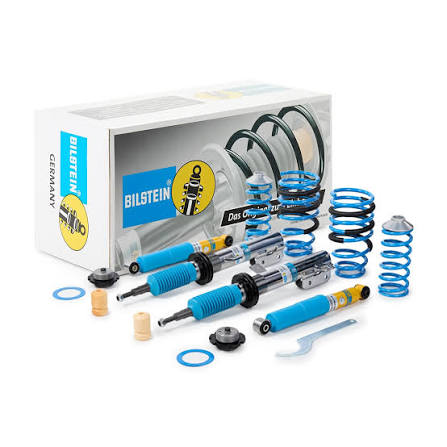
Suspension tuning is an important option for drivers who want more controlled handling or a different vehicle stance. Components such as performance springs, shock absorbers, struts, and adjustable coilover systems can change how a vehicle responds to corners and uneven roads.
Lowering springs can reduce the distance between the body and wheels, creating a sportier appearance. Quality dampers may improve body control, while adjustable suspension systems allow certain ride-height and damping settings to be tailored to specific requirements.
Nevertheless, lowering a vehicle too much can reduce ground clearance and make everyday driving less practical. It may also affect suspension geometry, tire wear, and ride comfort.
Any suspension modification should be compatible with the vehicle and installed according to the manufacturer’s recommendations. A professional alignment after relevant suspension work helps maintain predictable handling and appropriate tire wear.
For drivers who regularly travel on uneven roads, maintaining adequate suspension travel and ground clearance may be more beneficial than pursuing an extremely low stance.
Exhaust Systems for Sound and Efficiency
An upgraded exhaust system can change a car’s sound and appearance while potentially affecting engine performance. Depending on the design, aftermarket exhaust components may alter exhaust flow, reduce weight, or produce a more distinctive engine note.
Cat-back systems replace exhaust components located downstream of the catalytic converter, while axle-back systems generally replace a smaller rear section. Different designs offer varying sound levels, materials, and installation requirements.
Stainless steel is widely used because of its corrosion resistance and durability. Other materials may offer different weight and cost advantages.
Drivers should avoid choosing an exhaust system based solely on loudness. Excessive noise can make long journeys uncomfortable and may violate local regulations. Removing or modifying emissions-control equipment can also create legal and environmental problems.
The most suitable exhaust upgrade provides a sound that matches the owner’s preferences while maintaining emissions compliance, reasonable cabin comfort, and compatibility with the engine.
Air Intake Systems and Engine Tuning
Air intake upgrades are often considered by enthusiasts seeking to modify engine responsiveness. These systems manage how air enters the engine, and their effectiveness depends on the engine design, intake temperature, and overall configuration.
Some aftermarket intakes improve airflow under particular operating conditions. However, not every intake produces a meaningful power increase, and certain designs may draw warmer air from the engine compartment.
Engine tuning can involve adjustments to the electronic control unit, commonly called the ECU. Depending on the vehicle, calibration changes may influence throttle response, power delivery, and other engine operating parameters.
These modifications require particular care because aggressive settings can increase heat, stress mechanical components, or reduce reliability. Changes should be based on the engine’s specifications, fuel requirements, and supporting hardware.
For most drivers, professional installation and conservative calibration are preferable to chasing maximum output. The goal should be dependable performance that remains suitable for regular road use.
Spoilers and Aerodynamic Accessories
Spoilers, splitters, diffusers, and side extensions are popular accessories for drivers who want a motorsport-inspired design. They can add visual character and, when properly engineered, influence airflow around the vehicle.
A rear spoiler may help manage airflow at the back of a car, while a front splitter can influence airflow beneath the front end. Diffusers are designed to manage airflow as it exits beneath the vehicle.
Their actual aerodynamic effects depend on shape, placement, vehicle speed, and the surrounding bodywork. Decorative accessories do not necessarily provide measurable performance improvements.
Drivers should select aerodynamic parts that fit their vehicles properly and remain securely attached. Components that reduce ground clearance or extend beyond permitted dimensions may be unsuitable for everyday roads.
The best choice combines a cohesive design with practical considerations such as durability, installation quality, and legal requirements.
Lighting Upgrades for Appearance and Visibility
Lighting modifications can modernize a vehicle’s appearance and improve visibility when the correct components are selected. Headlights, daytime running lights, fog lights, and interior ambient lighting each serve different purposes.
Modern lighting options may offer improved energy efficiency or a more contemporary visual design. However, compatibility with the vehicle’s electrical system and existing headlight housings is essential.
Drivers should avoid installing bulbs or lighting assemblies that create excessive glare for other road users. Incorrect beam patterns can reduce visibility even when the lights appear brighter from the driver’s seat.
Interior lighting provides another customization opportunity. Subtle ambient illumination can make the cabin feel more refined without interfering with driving.
Before installing any lighting upgrade, check local regulations and confirm that the components meet applicable safety standards.
Interior Accessories for Comfort and Convenience
Customization should not be limited to the exterior. Interior tuning parts can improve comfort, organization, and the overall driving experience.
Upgraded seat covers, steering-wheel accessories, floor mats, and trim pieces allow drivers to personalize the cabin. Multimedia systems can introduce modern connectivity features, navigation options, and improved audio quality.
Drivers who frequently travel long distances may prioritize supportive seating and ergonomic controls. Others may prefer enhanced speakers, practical storage solutions, or subtle decorative accents.
Safety must remain a priority. Steering-wheel modifications, seat replacements, and other changes involving restraint systems should be handled carefully. Accessories must not obstruct airbags, pedals, visibility, or essential controls.
A well-designed interior balances personal style with comfort, usability, and safe operation.
Choosing Quality Tuning Parts for Your Budget
Selecting tuning parts involves balancing price, durability, compatibility, and long-term maintenance. The cheapest component may not offer the best value if it requires frequent repairs or creates installation problems.
Before purchasing, research the manufacturer’s specifications, warranty terms, material quality, and installation requirements. Reviews from owners of the same vehicle can also provide useful information about fitment and everyday performance.
It is helpful to divide a customization budget into categories, such as exterior styling, performance, interior improvements, and professional installation. Reserving money for alignment, supporting components, and maintenance can prevent unexpected expenses.
Drivers should also verify whether modifications affect insurance coverage, vehicle inspections, warranties, or registration requirements in their location.
Conclusion
The best tuning parts for customizing a car are those that match the driver’s goals while preserving safety, reliability, and everyday practicality. Bodykits, alloy wheels, suspension upgrades, exhaust systems, intake components, aerodynamic accessories, lighting, and interior enhancements each offer different opportunities to personalize a vehicle.
Rather than installing every available modification, car owners should focus on compatible upgrades that work together. A carefully selected bodykit, suitable wheels, well-matched suspension, and thoughtful interior improvements can create a distinctive result without compromising usability.
Ultimately, successful car customization is about making informed decisions. By researching components, choosing quality materials, and relying on professional installation when necessary, drivers can develop a vehicle that reflects their individual style and delivers a more enjoyable driving experience.